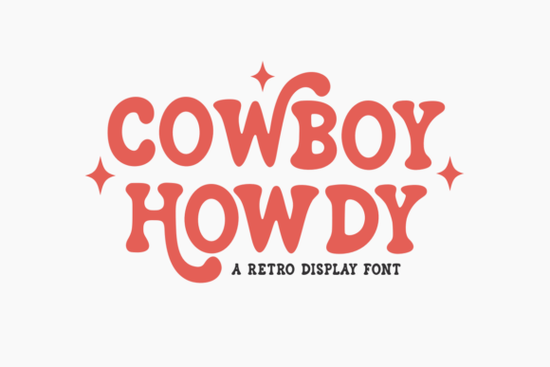
If you're looking for a handcrafted, retro-style display font that works well for western-themed designs think t-shirts, greeting cards, or rustic branding Cowboy Howdy Font is a solid choice. It’s not overly ornate, but it carries clear personality: slightly weathered, warmly human-drawn, and built with practical use in mind. You’ll find it especially useful if you’re designing for craft fairs, small-batch apparel, or printable party invites where authenticity matters more than perfection.
What makes Cowboy Howdy different from other western fonts?
Unlike many “cowboy” fonts that lean heavily into exaggerated serifs or cartoonish outlines, Cowboy Howdy balances charm with clarity. Its alternate characters like the swash ‘y’ or the looping ‘d’ are subtle enough to feel intentional, not distracting. That means your text stays readable at smaller sizes (say, on a tote bag tag or a sticker), while still standing out on larger applications like posters or social media banners.
It’s also designed with real-world production in mind. The spacing is generous, the weight is consistent across letters, and it includes basic OpenType features like ligatures and stylistic alternates no extra software needed to access them. If you’ve ever tried using a free western font only to find letters overlapping or kerning falling apart, you’ll appreciate how thoughtfully this one was built.
Where does Cowboy Howdy work best?
This font shines in contexts where warmth and approachability matter:
- T-shirts and apparel: Works especially well for casual western, vintage rodeo, or “desert cool” themes pair it with simple line art or sun-bleached textures.
- Greeting cards and invitations: Adds nostalgic charm without feeling dated great for baby showers, weddings with a ranch vibe, or birthday invites with a laid-back tone.
- Small business branding: Think coffee shops with a southwest aesthetic, handmade soap labels, or local event flyers. It gives a sense of place without locking you into one narrow style.
- Digital printables: Since it’s clean and legible, it holds up well on PDFs meant for home printing no blurry edges or inconsistent strokes.
You’ll notice it doesn’t try to do everything. It’s not a full-featured sans-serif replacement, nor is it meant for body text. But as a display font something you use for headlines, logos, or short impactful phrases it delivers reliably.
How does it compare to similar fonts on Creative Fabrica?
If you already own or are considering other retro display fonts, here’s how Cowboy Howdy fits in. Speed Race Font leans sporty and bold, great for racing or action themes but less suited for gentle, nostalgic moods. Shark Teeth Font is edgier and more aggressive, ideal for band merch or horror-adjacent projects. For sci-fi or space-themed work, Death Star Font offers strong geometric structure, while Gilligan Karl Font brings playful, hand-sketched energy more cartoon than cowboy.
None of these replace each other; they fill different creative needs. But if your project calls for something grounded, warm, and quietly confident not flashy, not fussy Cowboy Howdy sits comfortably in that sweet spot.
Real usage tips (not just theory)
Here’s what actually helps when working with this font:
- Use it at 36pt or larger for most print projects smaller sizes lose some of its character.
- Pair it with a neutral sans-serif (like Montserrat or Lato) for contrast. Avoid other decorative fonts unless you’re going for intentional clash.
- Try light tracking (+10 to +20) for headlines it opens up the spacing nicely without looking loose.
- Export as outlined vectors if sending files to a printer, especially for vinyl cutting or embroidery digitizing.
- Test how it looks on fabric mockups before ordering bulk prints some dye-sublimation processes mute fine details.
For reference, you can see how Cowboy Howdy Font appears in live previews and user-uploaded projects on Creative Fabrica. That’s often more helpful than static samples especially if you want to see how others handle color, layout, or pairing.
Before downloading or purchasing, ask yourself: Will I use this for at least two distinct projects in the next 3–6 months? If yes and especially if those projects involve western, rustic, or handmade aesthetics this font is likely worth adding to your collection. It’s not trendy, but it’s dependable. And for designers and makers who value consistency over novelty, that’s often more valuable.
Quick checklist before you use it:
- ✅ Confirm your design software supports OpenType features (most modern apps do).
- ✅ Test alternate glyphs some look better in all-caps, others shine in sentence case.
- ✅ Check licensing: it covers personal and commercial use, including POD platforms like Redbubble or Printful.
- ✅ Save a version with outlined text if sharing with clients or printers unfamiliar with font embedding.
- ✅ Try one simple project first a quote graphic or single-color t-shirt design to get a feel for spacing and rhythm.
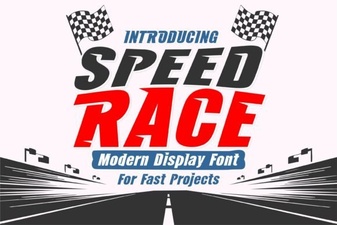 Speed Race Fonts for Your Next Creative Project
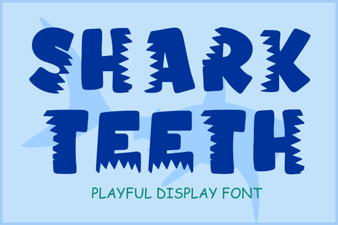 Design Your Project with Shark Teeth Font
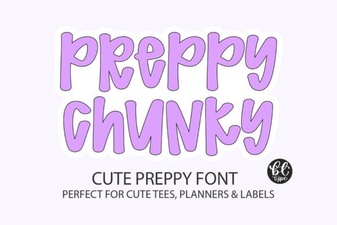 Chunky Preppy Fonts for Bold & Bright Designs
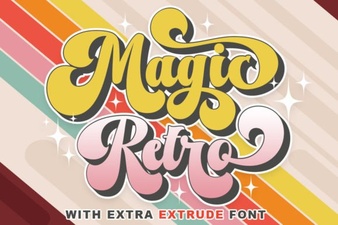 Crafting Unique Projects with Magic Retro Fonts
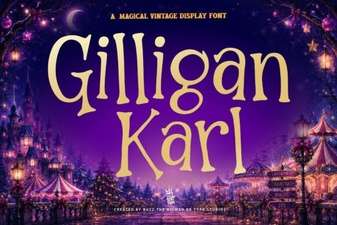 Karl Gilligan Font: Creative Design and Project Ideas
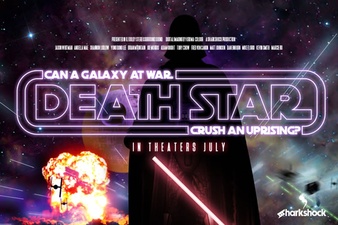 Font Downloads & Design Ideas for Death Star Projects